Our Work

We do two things. Through Saksham, we distribute insulin, glucose strips and continuous glucose monitors to people with Type 1 diabetes who could not otherwise afford them, and we work on education so that they and their families can make their own decisions about the
condition. And we run conversations about the parts of chronic illness a fifteen-minute consultation cannot hold — tiredness, care, loneliness, and the words used on people who are ill.

Programs
Conversations

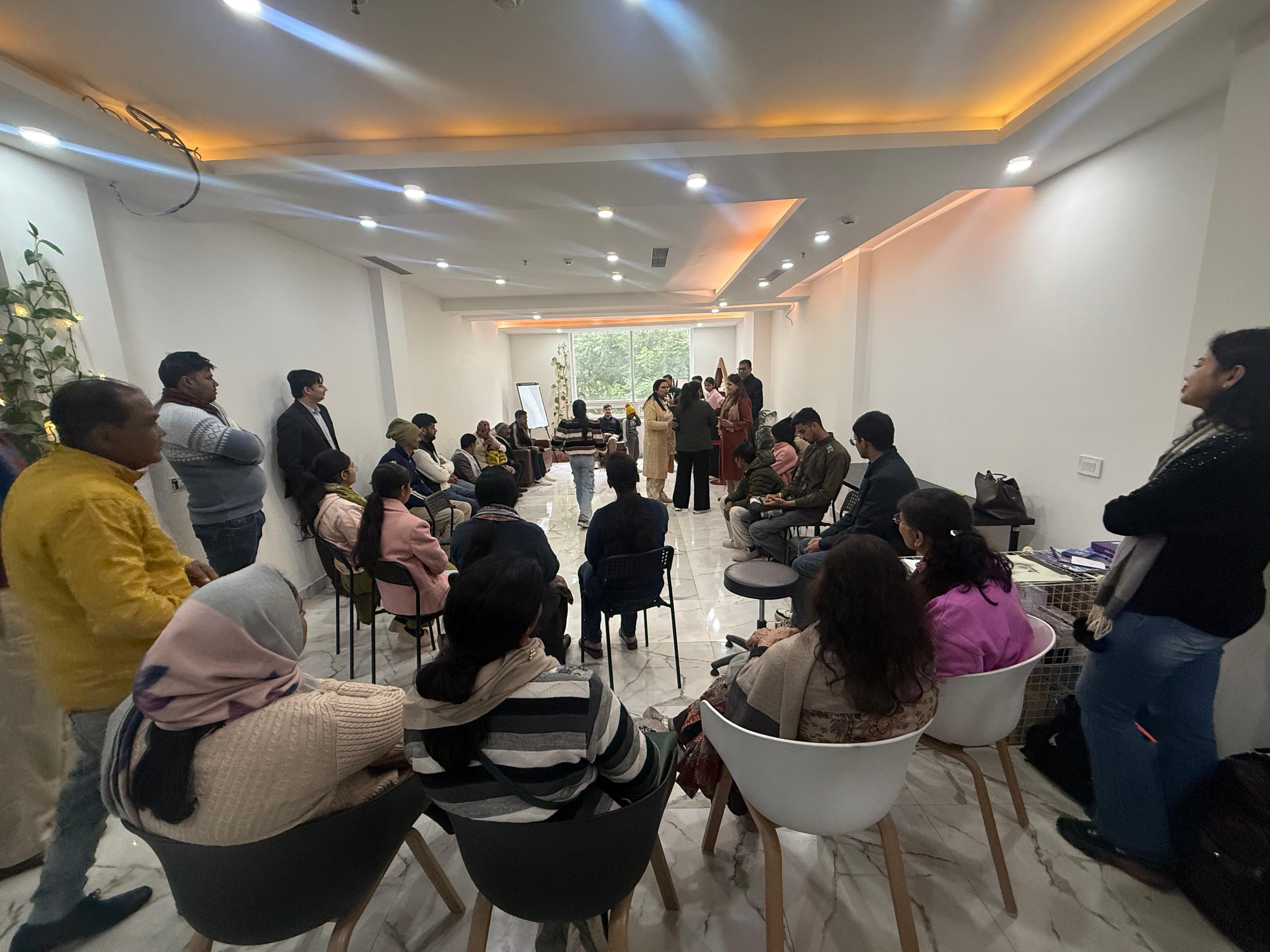
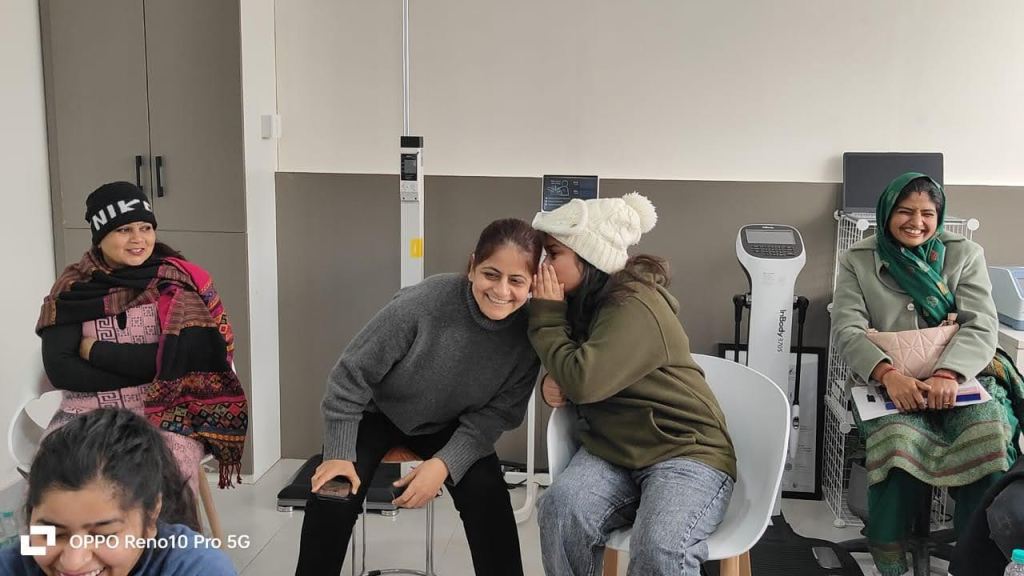
A consultation lasts fifteen minutes. The tiredness, the household, the loneliness, the words used about your body — none of it has anywhere to go. We run long, unhurried conversations on the parts of chronic illness a clinic cannot hold: obesity and what the number leaves out, the language used on people with diabetes, PCOS, thyroid, menopause, care and the work that isn’t counted as work. Each session puts clinical knowledge and lived knowledge in the same room. Free and open to anyone.
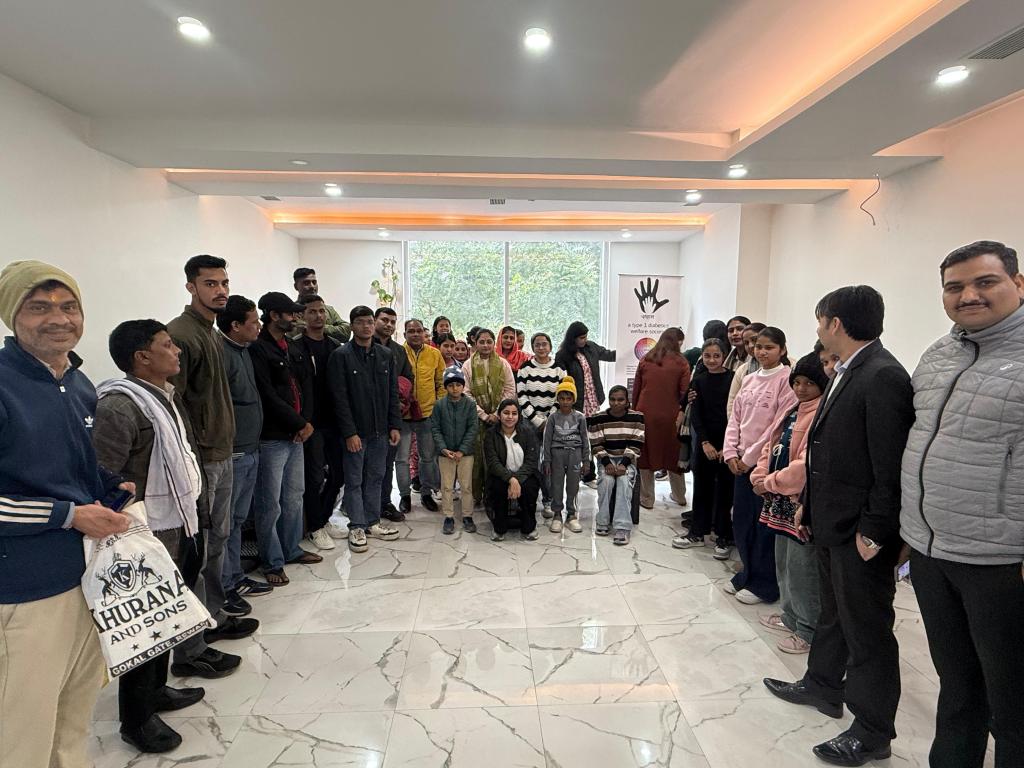
Saksham

Saksham is a Type 1 diabetes welfare society, now working under the Foundation. Type 1 is not preventable, not anyone’s fault, and not survivable without insulin — and what it costs to manage falls on families indefinitely. We distribute insulin, glucose strips and continuous glucose monitors to people who could not otherwise afford them, and we work on education alongside, so that they and their families can make their own decisions about the condition rather than only follow instruction

Upcoming gatherings

July

Online Circle

Delhi NCR

October

Diabetes: Reframing the story

&

Pottery Sessions

December

Osteoporosis: Preventing Fractures

&

Knitting

Biweekly

Conversation Circles

Monthly

Saksham Meetings

Weekly

Zoom Sessions on Diabetes Topics

Evening

Art Space

Central Delhi

November

PMOS: An Enigma

& Painting Session

January

Obesity: Its not about eating less and moving more

Voices

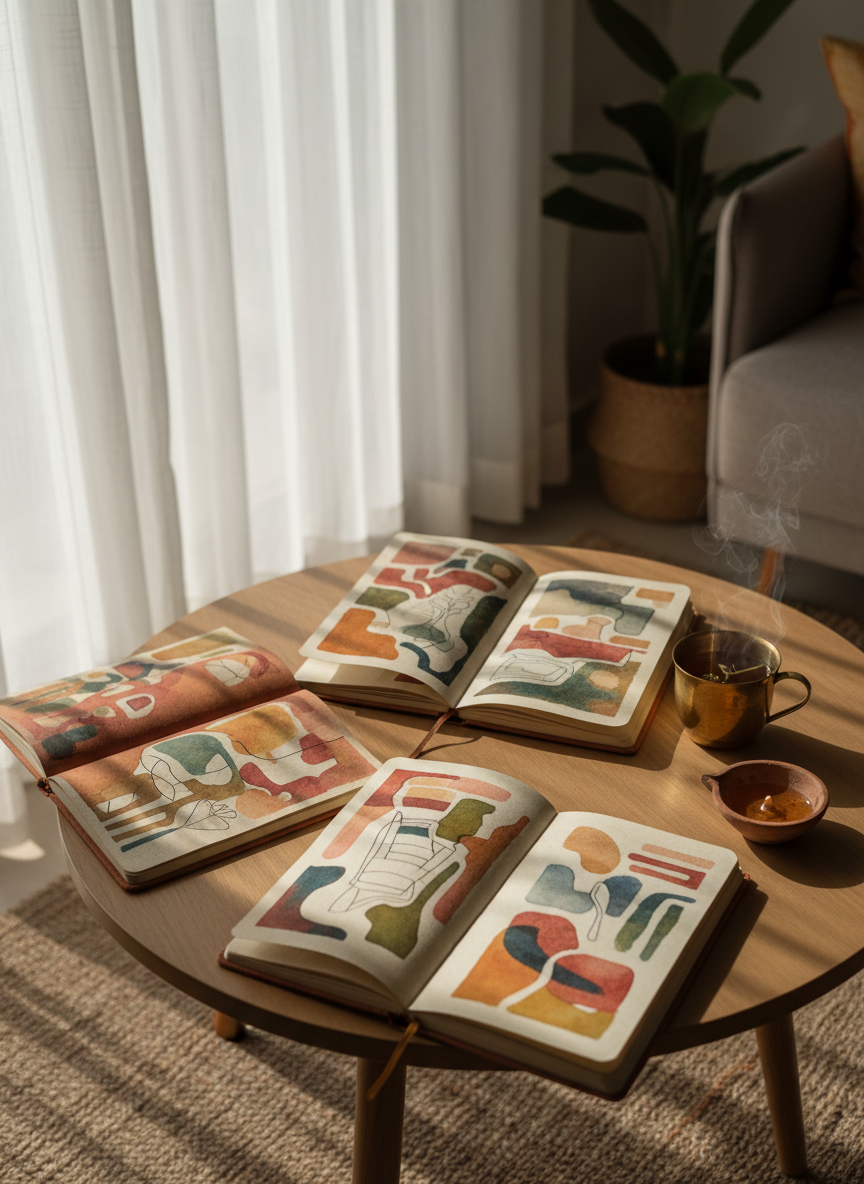
An overhead photographic view of a round, low wooden table with a smooth, matte finish, set in a quiet, modern Delhi apartment living room. On the table lie several open fabric-covered notebooks in earthy tones, each page filled with abstract, hand-drawn lines and color blocks representing personal narratives rather than readable text. Beside them, a gently steaming brass cup of herbal tea and a small clay diya with an unlit wick add cultural warmth. Diffused morning light pours through sheer curtains, creating soft, overlapping shadows. The mood is reflective and intimate, with a balanced composition that uses the rule of thirds and subtle depth of field, evoking the idea of safe storytelling around chronic illness without showing any people or medical imagery.

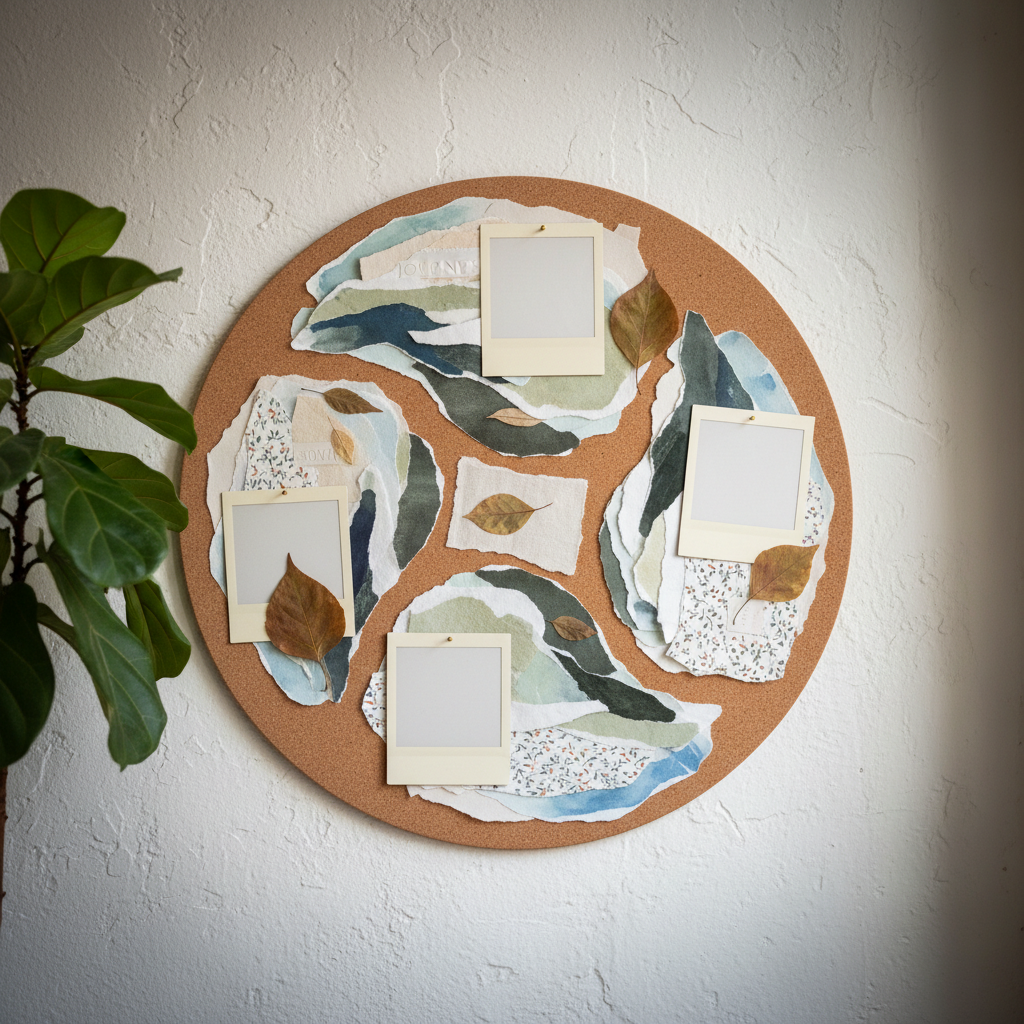
A close-up, photographic scene of a cork vision board mounted on a pale, textured wall in a calm community room. Pinned to the board are layered scraps of handmade paper, fabric swatches, dried leaves, and Polaroid-style blank frames, arranged in organic clusters to symbolize multiple intertwined journeys with chronic illness. A slender leafy houseplant partially enters the frame from the side, its leaves catching soft, indirect daylight from a nearby window. Gentle, natural shadows create depth without harsh contrast. Captured straight-on with sharp focus and subtle vignetting at the edges, the composition feels organized yet organic. The mood is quietly hopeful and sophisticated, emphasizing connection, dialogue, and lived experience while avoiding any clinical or stigmatizing elements.

.

An overhead photographic view of a round, low wooden table with a smooth, matte finish, set in a quiet, modern Delhi apartment living room. On the table lie several open fabric-covered notebooks in earthy tones, each page filled with abstract, hand-drawn lines and color blocks representing personal narratives rather than readable text. Beside them, a gently steaming brass cup of herbal tea and a small clay diya with an unlit wick add cultural warmth. Diffused morning light pours through sheer curtains, creating soft, overlapping shadows. The mood is reflective and intimate, with a balanced composition that uses the rule of thirds and subtle depth of field, evoking the idea of safe storytelling around chronic illness without showing any people or medical imagery.

A close-up, photographic scene of a cork vision board mounted on a pale, textured wall in a calm community room. Pinned to the board are layered scraps of handmade paper, fabric swatches, dried leaves, and Polaroid-style blank frames, arranged in organic clusters to symbolize multiple intertwined journeys with chronic illness. A slender leafy houseplant partially enters the frame from the side, its leaves catching soft, indirect daylight from a nearby window. Gentle, natural shadows create depth without harsh contrast. Captured straight-on with sharp focus and subtle vignetting at the edges, the composition feels organized yet organic. The mood is quietly hopeful and sophisticated, emphasizing connection, dialogue, and lived experience while avoiding any clinical or stigmatizing elements.